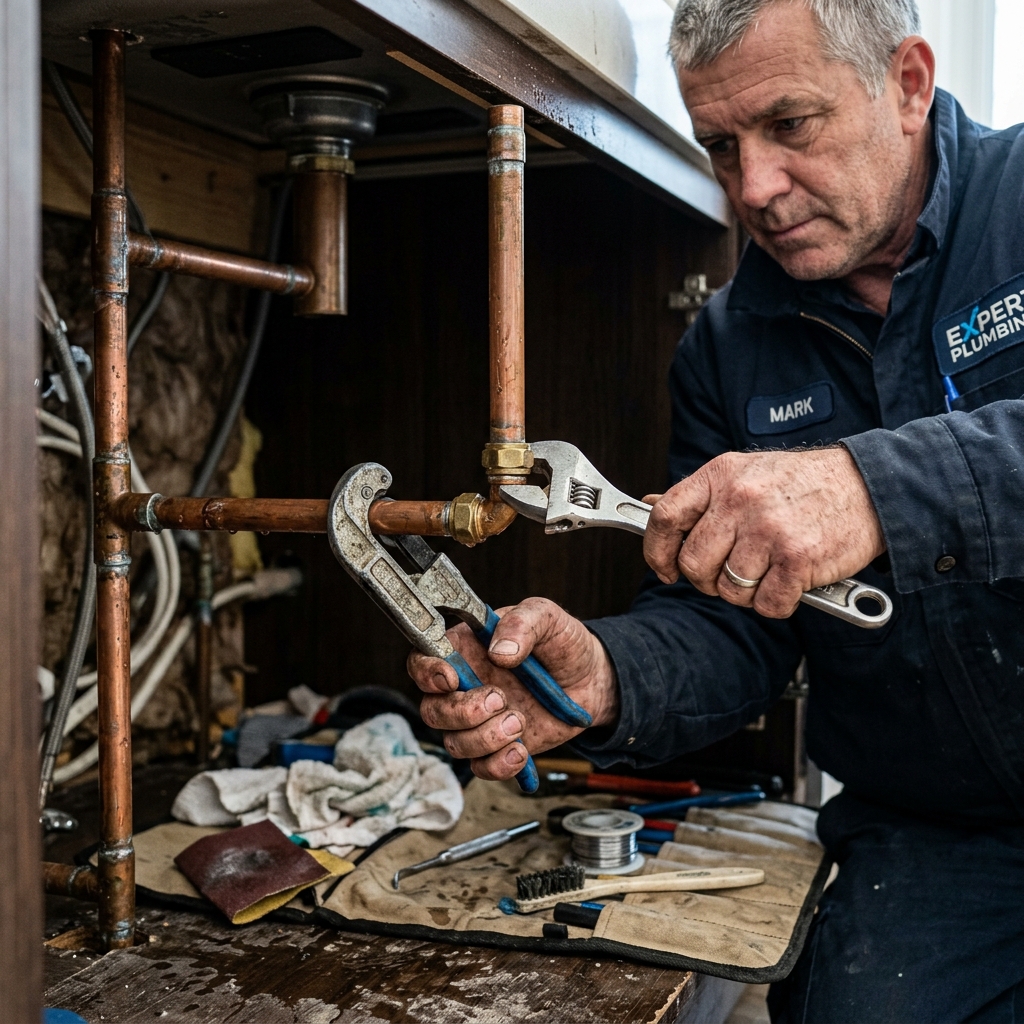
When Rerouting Beats Jackhammering the Concrete Foundation
When a pressurized water line ruptures beneath your concrete slab, traditional plumbing methods called for breaking through the concrete floor with a jackhammer to access the pipe. While an in-slab spot repair is technically feasible, it creates extensive dust, destroys high-end floor coverings, and compromises the moisture barrier of your concrete slab. More critically, opening concrete does not address the underlying problem: the rest of the copper pipe remains buried in corrosive soil, vulnerable to future pinholes.
Today, a professional slab leak reroute Tustin service is the industry gold standard for lasting peace of mind. By executing a surgical bypass, our technicians abandon the compromised copper line beneath the slab entirely. Instead of breaking your floor, we install a continuous run of commercial-grade pipe overhead. Discover our primary slab leak repair in Tustin foundation services to see how we protect residential structural slabs.
How an Overhead Water Line Reroute Works Step by Step
A professional water line bypass follows a meticulous, minimally invasive engineering protocol:
1. Acoustic Isolation & Manifold Mapping
Before any physical work begins, technicians conduct precision acoustic testing to confirm which plumbing branch is compromised (hot or cold side, master bath line, kitchen line, or laundry run). Once the start and terminus manifolds are identified, we plan the cleanest overhead routing trajectory. If you haven't received electronic confirmation yet, review our non-destructive slab leak detection procedures.
2. Precision Drywall Access
Technicians cut small, neat drywall apertures (typically 8x8 inches) behind cabinets, inside closets, or near baseboards where access is inconspicuous. These small portals allow us to fish flexible piping vertically up inside wall cavities without disturbing structural wall framing.
3. Overhead Routing Through Attic or Ceiling Joists
When performing a re-route water line Tustin installation, our plumbers run continuous, flexible cross-linked polyethylene (PEX-a) or Type L copper tubing across attic spaces or through second-floor floor joists. PEX tubing is ideal because a single continuous coil runs from the manifold directly to the fixture without a single mechanical joint hidden inside ceilings or walls, completely eliminating future joint leaks.
4. Protecting Overhead Lines from Attic Heat and Freeze Cycles
Orange County attic spaces experience extreme summer heat and occasional winter cold snaps. When we reroute pipes through attic Tustin attics, every foot of new water line is encased in premium closed-cell polyethylene foam insulation. This thermal protection maintains optimal domestic hot water temperature, prevents cold water from heating up during summer months, and safeguards against freezing condensation.
5. Sub-Slab Abandonment & Connection
The leaking copper line beneath the slab is severed, drained, and permanently capped off above grade. The new overhead line is tied into the existing fixture valves using solid brass expansion fittings. The entire system is then pressure-tested at 100 PSI before water is restored.
Drywall Access, Patching, and Project Timeline
A standard single-line bypass slab leak Tustin project is typically completed in just one to two working days. Water service is rarely off for more than a few hours while final tie-ins are made. Because drywall openings are strategically cut with clean razor edges, professional drywall restoration and color matching can be executed quickly, leaving your living space clean and completely restored.
Permits, Code Compliance, and Long-Term Value
Plumbing alterations involving new supply line routing in Tustin are subject to California Plumbing Code standards. Our installations utilize lead-free brass fittings, code-compliant nail plates at all stud penetrations, and proper seismic bracing. If multiple lines in your home are deteriorating from corrosive local water, a comprehensive whole-house repiping project may offer superior economic value compared to multiple individual line reroutes. Furthermore, if you are coping with repetitive copper pitting, review our analysis of pinhole leak repair techniques.
Frequently Asked Questions About Slab Leak Rerouting
Is PEX tubing safe for drinking water lines in attic spaces?
Yes. We install high-density PEX-a (Engel method) tubing certified under NSF/ANSI Standard 61 for potable drinking water. It resists mineral scale, chlorinated water degradation, and seismic vibration far better than traditional rigid copper.
Will my water pressure change after an overhead reroute?
No. When properly engineered, our plumbers size the replacement PEX tubing diameter to account for friction loss and fitting resistance, ensuring equal or improved dynamic flow pressure to all sinks, tubs, and showerheads.
What happens to the leaking pipe abandoned under the concrete?
The old subterranean pipe is completely depressurized, drained of stagnant residual water, and securely capped above the concrete slab line. Because it is no longer connected to your domestic water supply, it can never leak again.