Precision Non-Invasive Foundation Diagnostics in Tustin
When pressurized domestic water lines develop fissures or pinhole fractures underneath your concrete foundation, guessing the location is the worst possible approach. Breaking open random sections of ceramic tile, engineered hardwood, or decorative stone creates thousands of dollars in unnecessary destruction. With modern slab leak detection Tustin homeowners receive scientific, non-invasive diagnostic precision that identifies the exact point of pipe failure within inches before any structural work begins.
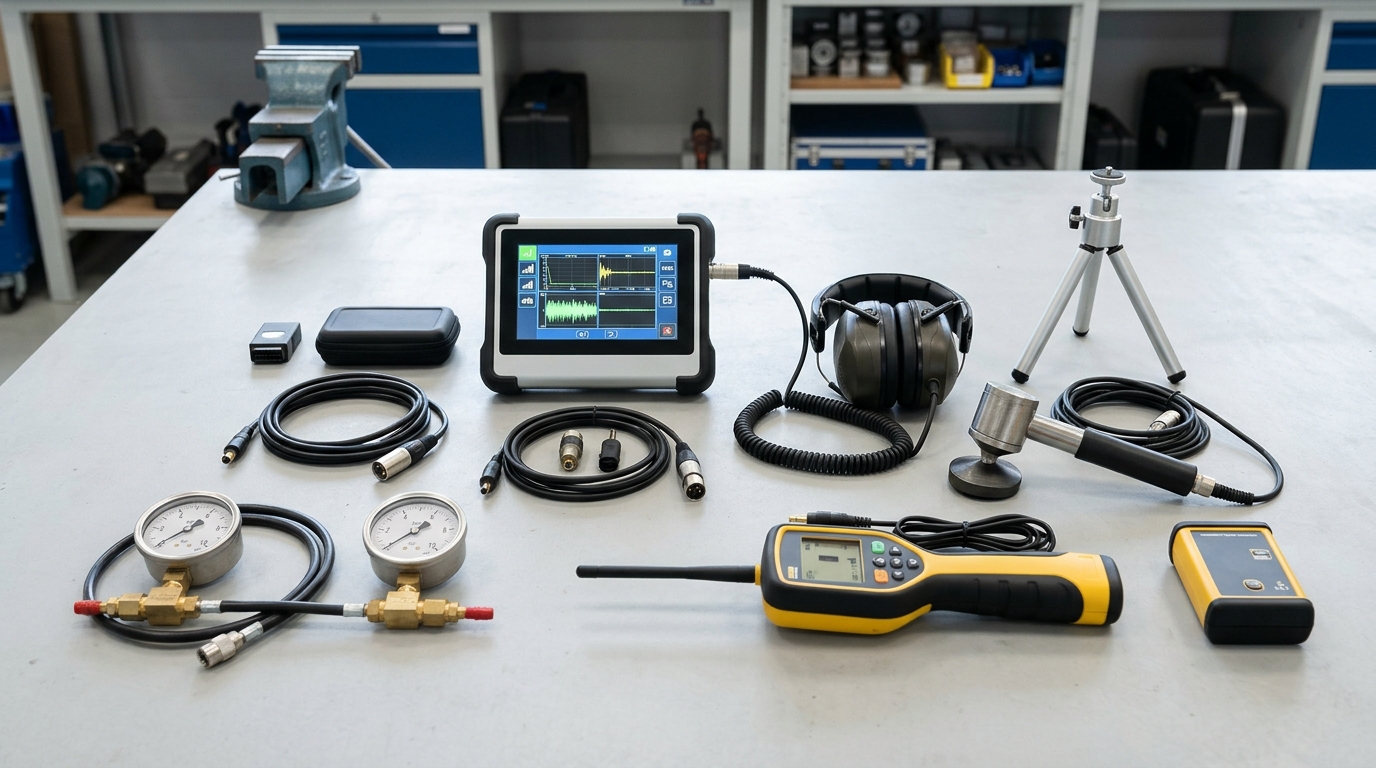
Whether you require comprehensive diagnosis for a home in historic Old Town Tustin or a post-tension foundation in Tustin Ranch, our field technicians apply multi-stage testing protocols. We combine high-frequency acoustic ground sensors, electromagnetic pipe locators, thermal infrared imaging, and calibrated nitrogen pressure testing to evaluate your subterranean plumbing safely and thoroughly. For complete restoration options after discovery, learn about our foundational slab leak repair in Tustin service.
The Step-by-Step Scientific Diagnostic Process
Locating a pressurized water leak beneath a solid slab involves a structured elimination methodology designed to isolate the failing line without tearing up your home:
1. Baseline Water Meter & Isolation Testing
The diagnostic process begins at your municipal water meter. By securing every interior fixture, toilet supply stop, and automatic irrigation valve, our technicians monitor the meter's low-flow indicator dial. If the meter continues recording flow, pressurized water is escaping somewhere on your property. Next, we shut off the cold supply valve feeding your water heater. If the meter stops, the failure is isolated to the hot water distribution network; if the meter continues moving, the cold water grid is compromised.
2. Digital Pressure Decay Analysis
To confirm line integrity without relying solely on municipal pressure fluctuations, we connect digital test gauges to your plumbing manifolds. The plumbing system is charged with regulated inert nitrogen gas. If a specific supply zone exhibits pressure decay, that specific branch line is confirmed to have a physical puncture or fracture.
3. Electronic Acoustic Listening
Pressurized water escaping through a microscopic pinhole or cracked joint into compacted aggregate creates a distinct acoustic frequency. Utilizing high-sensitivity electronic leak detection Tustin specialists apply amplified ground contact microphones to your finished floors. By tuning into specific sonic bands between 200 Hz and 1500 Hz, our specialists can hear the subterranean sound of pressurized escaping fluid through five inches of solid concrete.
4. Infrared Thermal Imaging
For hot water slab lines, high-resolution radiometric thermal cameras detect subtle surface temperature differentials on floor tiles and concrete pads. Escaping hot water elevates the temperature of the concrete, producing a distinct thermal bloom that pinpoints the subsurface trajectory of the failing pipe.
5. Electromagnetic Line Tracing
Once the sound and thermal signatures are identified, an electromagnetic transmitter is coupled to the plumbing manifold. A handheld receiver scans the floor to map the precise three-dimensional path and depth of the buried copper piping, ensuring complete accuracy for either an overhead bypass or spot repair.
Why Accurate Detection Minimizes Concrete Breaking
Traditional excavation practices frequently caused extensive structural damage because contractors would break apart flooring based on broad surface moisture patterns. However, subsurface water rarely rises directly above the pipe rupture. Water travels along the path of least resistance through gravel bedding, sand layers, and vapor barriers, often emerging twenty feet away near a wall plate or doorway threshold.
By conducting a formal leak under slab detection Tustin diagnostic survey, the exact location of the pipe breach is confirmed. If a spot repair is elected, technicians only need to open an eighteen-inch opening directly over the pipe rather than trenching across an entire room. If you decide on a cleaner alternative, review our non-invasive slab leak reroute solutions that bypass subterranean piping through attic chases.
Comprehensive Written Leak Detection Report
Following every diagnostic evaluation, our technicians compile an exhaustive written diagnostic report. This document is essential for homeowners, insurance adjusters, and structural restoration contractors. Your report includes:
- Precise description of the failing plumbing circuit (hot vs. cold line, supply diameter, fixture destination).
- Exact schematic marking of the leak location and pipe routing depth.
- Digital thermal photographs illustrating subsurface temperature blooms.
- Calibrated nitrogen pressure test readings documenting pressure loss rates.
- Technical recommendations detailing direct spot repair versus overhead rerouting feasibility.
If you plan to file a claim with your property carrier, visit our slab leak insurance documentation page to learn how this technical report supports your claim for tear-out and water damage coverage.
Common Symptoms That Require a Slab Leak Test in Tustin
Schedule a professional slab leak test Tustin service if you observe any of the following residential warning signs:
- Unexplained increases in your monthly municipal water bill.
- Faint rushing or hissing water sounds inside bathroom walls or beneath hallway floors.
- Localized warm spots on tiled or wood-planked flooring. For specific details on hot supply lines, see our hot water slab leak repair guide.
- Spongy carpet padding, buckled floorboards, or hairline cracks along concrete slab footings.
- Efflorescence (powdery white mineral salts) along concrete expansion joints.
Frequently Asked Questions About Slab Leak Detection
How long does an electronic slab leak detection appointment take?
A comprehensive electronic diagnostic evaluation typically requires between one and three hours depending on the square footage of the home, the complexity of the plumbing manifold, and whether background acoustic interference must be filtered out.
Can electronic acoustic listening detect leaks under thick tile or wood floors?
Yes. Specialized electronic acoustic listening discs and ground sensors are calibrated to amplify high-frequency water turbulence through ceramic tile, hardwood, vinyl plank, carpeting, and five inches of reinforced concrete slab.
Do I have to turn off my water during the detection test?
Yes, water to the home will be temporarily isolated during the pressure decay and nitrogen testing phases to verify system integrity and establish baseline acoustic readings.